Certifications, quality & compliance
Built on recognised standards, rigorous quality systems and verified controls. Every service is delivered with precision and ready when needed.
Taylors applies rigorous laundry quality standards, certified processes and independent testing to deliver safe, consistent and dependable outcomes.
When your operations depend on clean linen, garments and workwear, your laundry partner needs to be ready - every day. Taylors laundry quality standards combine documented procedures, trained teams, monitoring and continual improvement to support controlled processing, consistent service and clear accountability.
Delivered with precision and backed by evidence, our quality framework helps customers manage risk with confidence. As certifications and operating scope may vary by location, we provide the current facility-specific documentation relevant to each customer and tender.

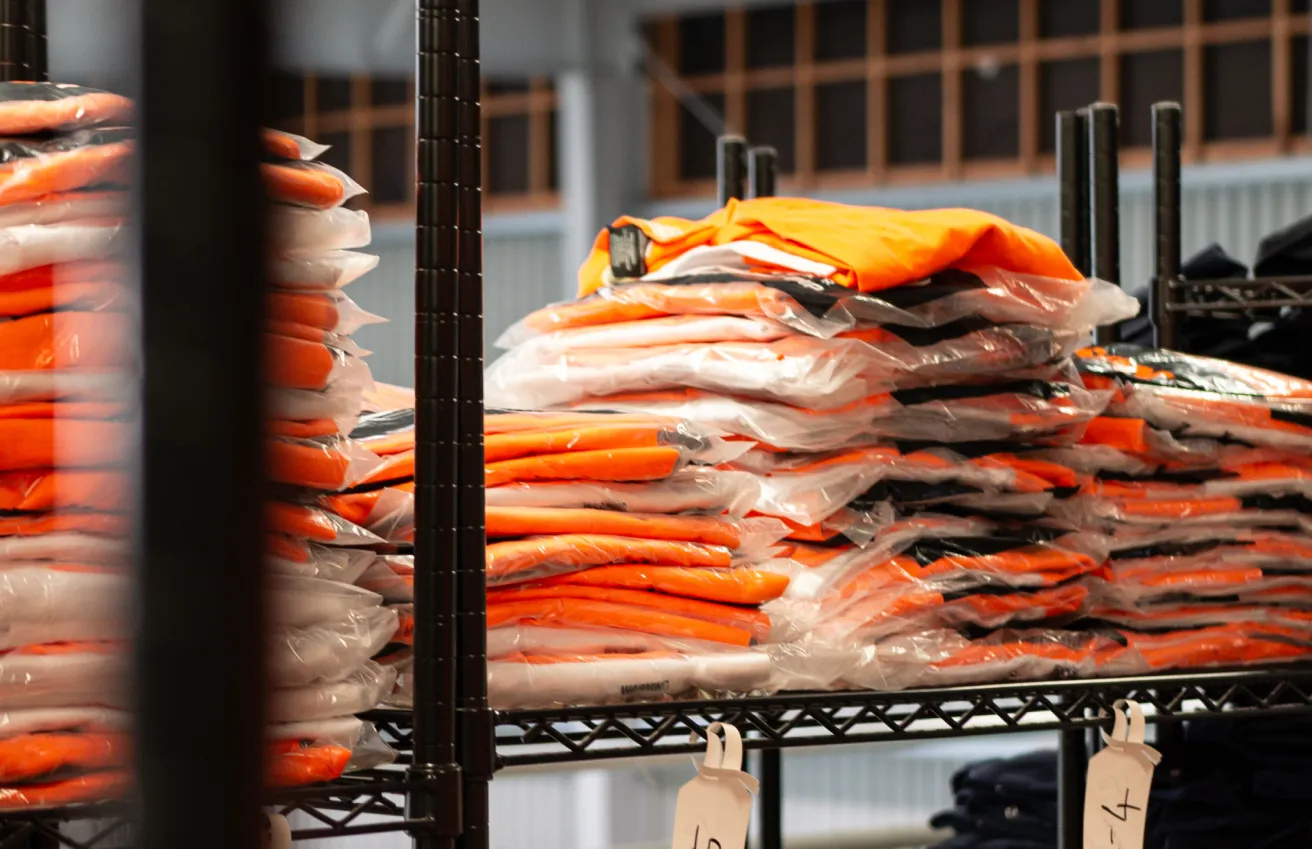
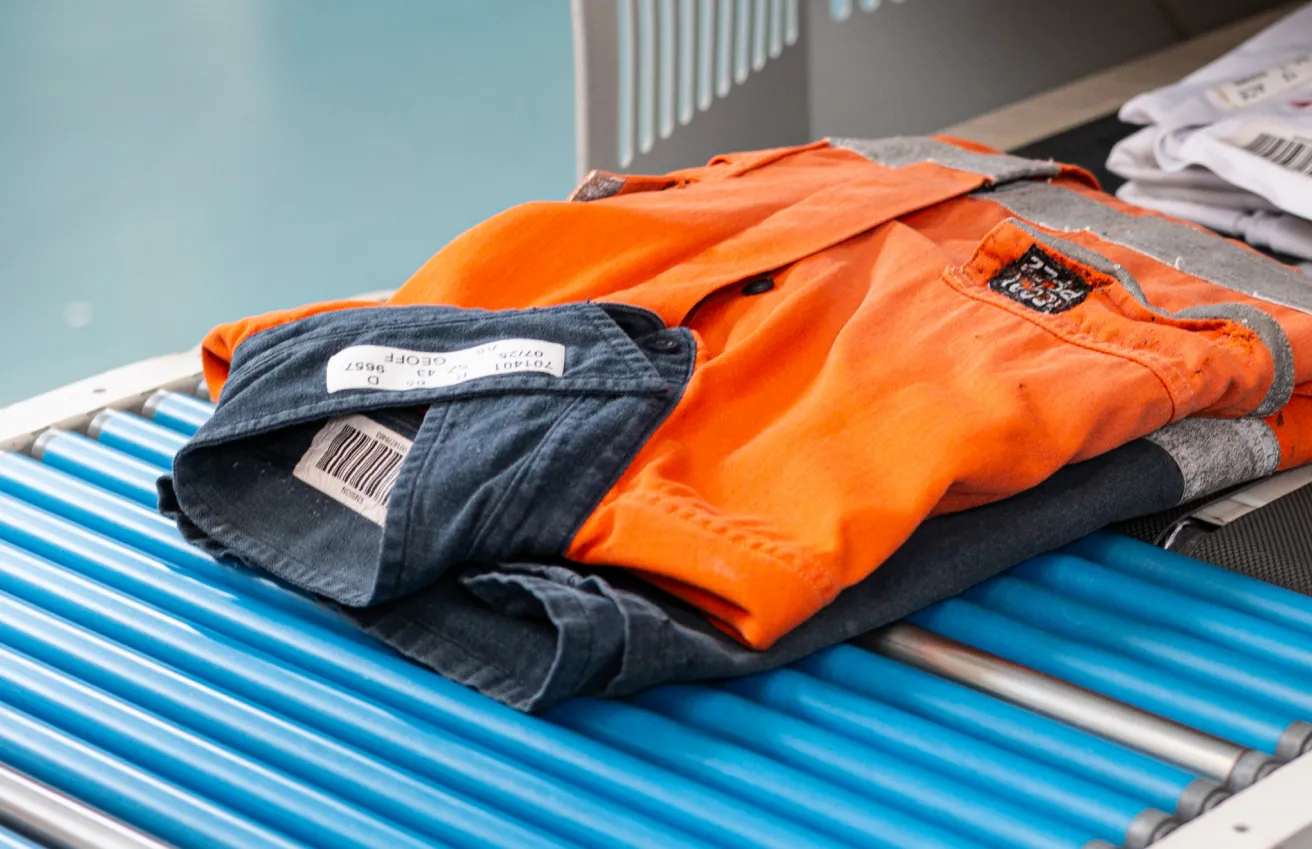
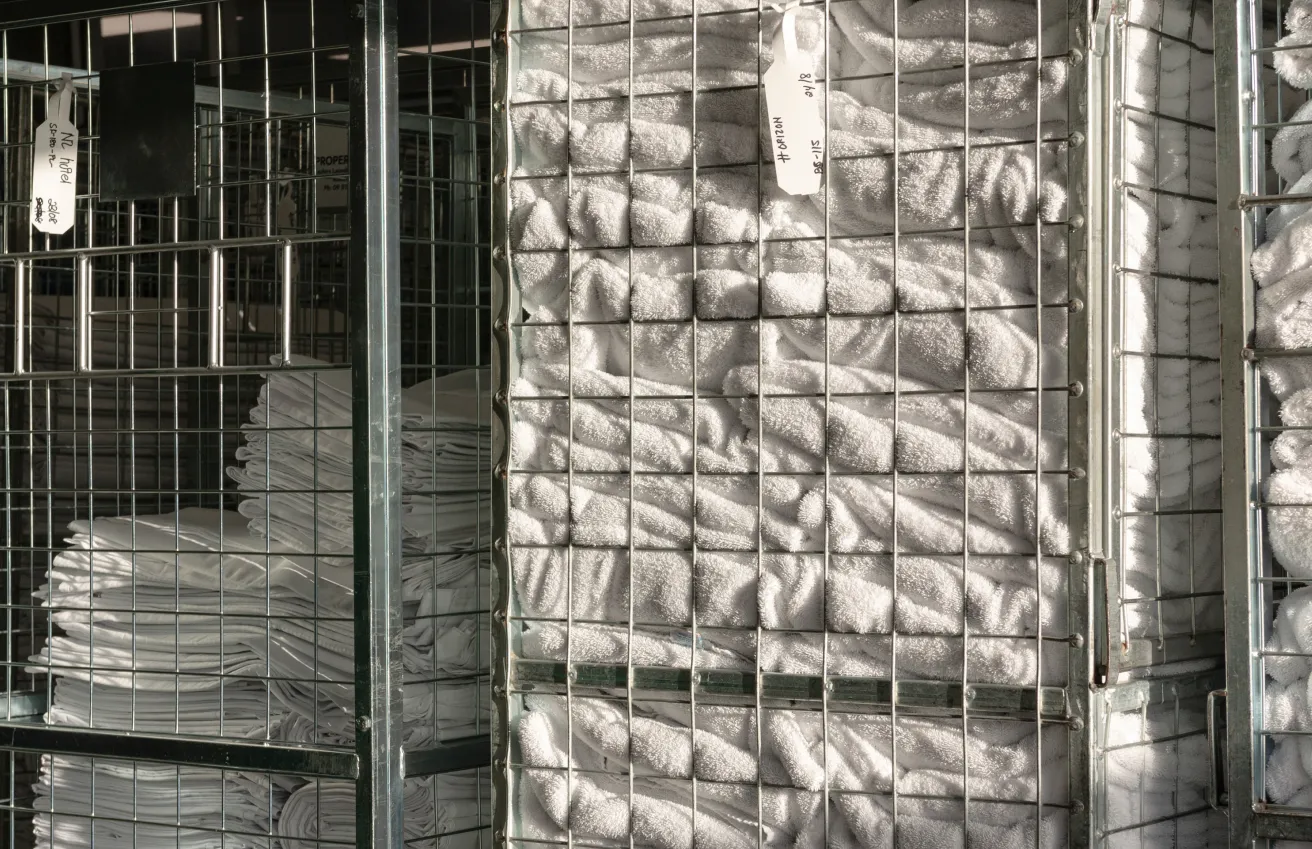

Taylors is certified to ISO 9001:2015, adopted locally as AS/NZS ISO 9001:2016, demonstrating our commitment to consistent service, accountable processes and continual improvement.
View the independent conformance report assessing applicable Taylors laundry operations against the requirements of AS 4146:2024 Laundry Practice.
Controlled at every step.
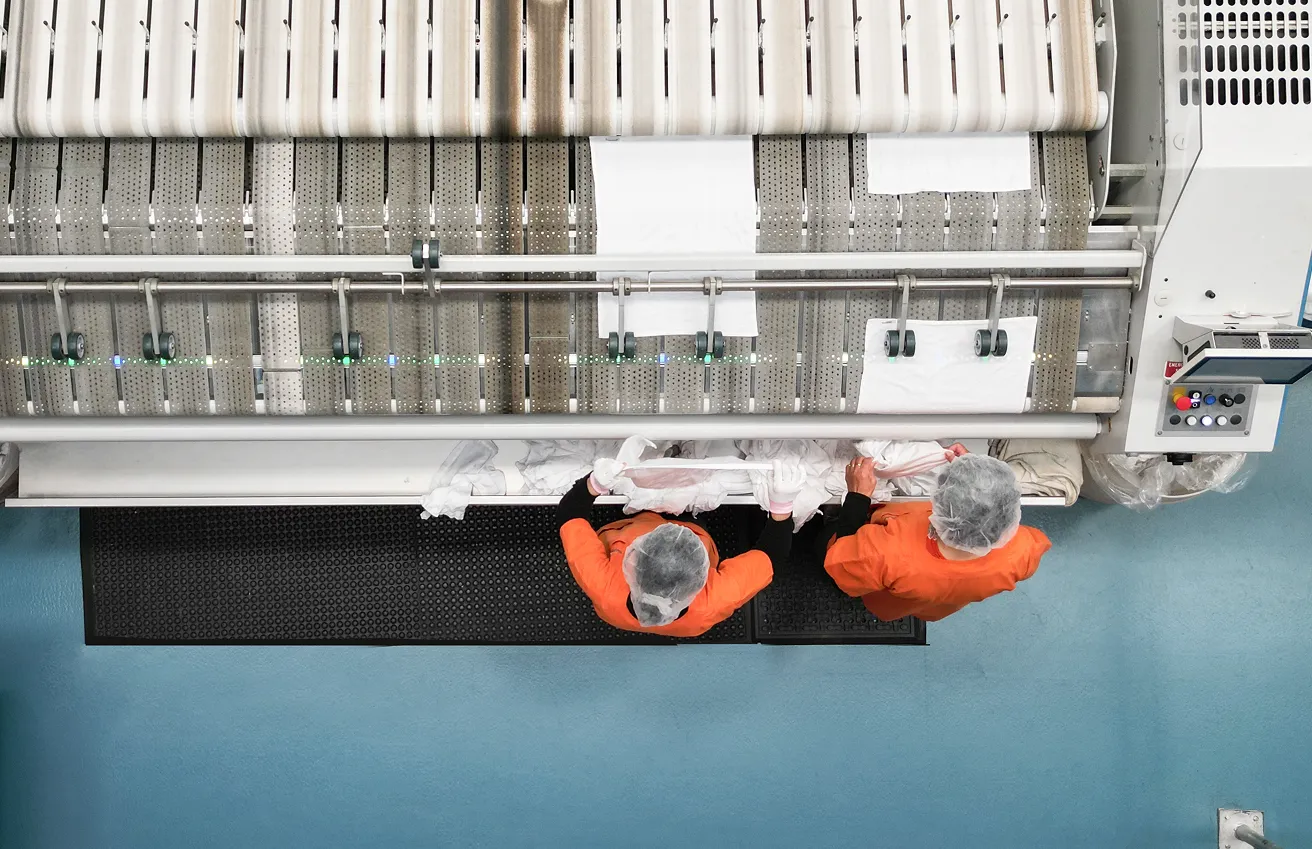
From collection and processing to inspection, delivery and reporting, Taylors applies documented systems and ongoing oversight to manage risk, maintain quality and support consistent service outcomes.
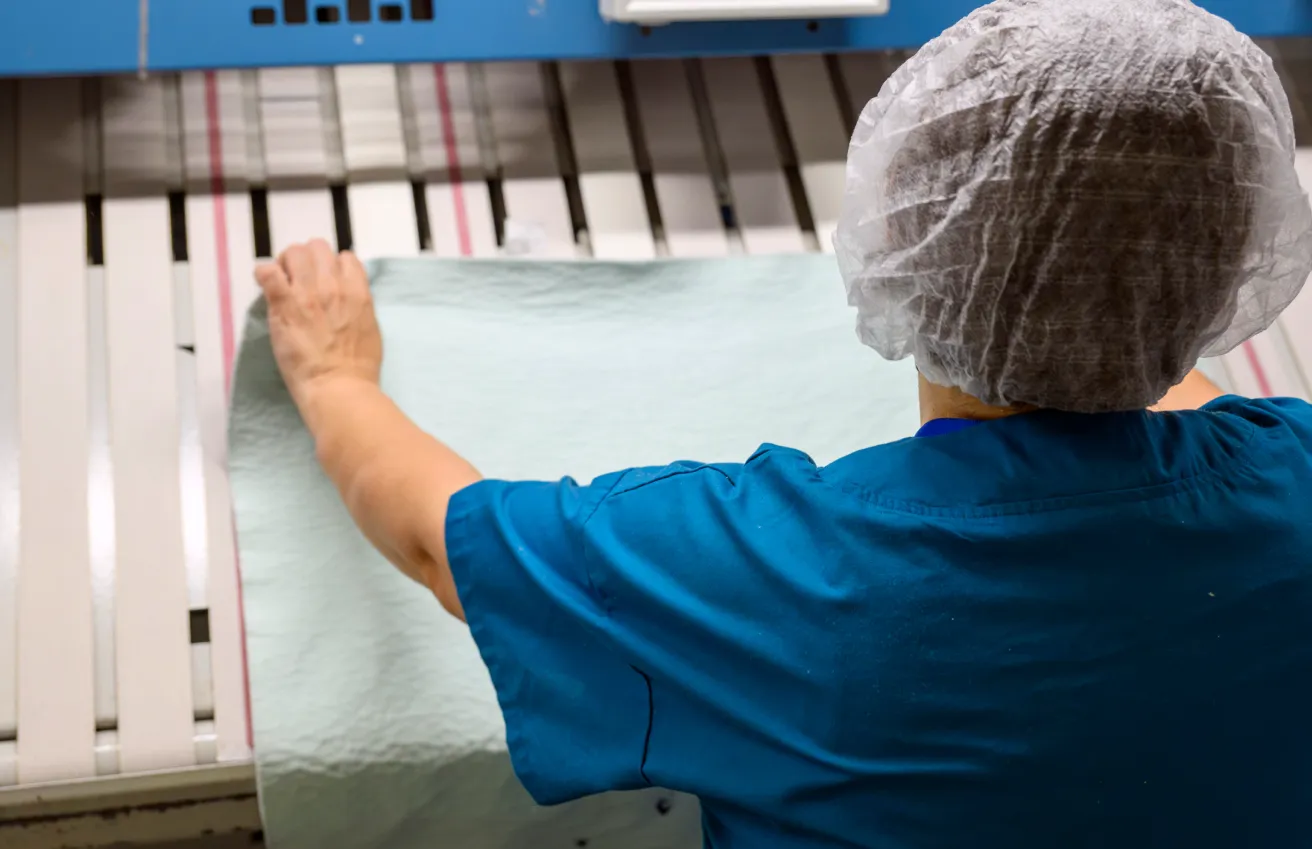
Processed items are inspected for stains, damage, wear and other quality concerns. Products that do not meet the required standard are rejected, rewashed, repaired or removed from circulation.
External testing provides an additional level of assurance that processed textiles meet applicable microbiological requirements. Findings support auditing, compliance and continuous improvement.
Where sterile products are required, reusable healthcare textiles are inspected, folded, assembled and wrapped in dedicated Blue Rooms under controlled conditions. Packs are processed through a validated sterilisation cycle, batch recorded, RFID-checked to monitor wash counts and sealed to protect their integrity until use.
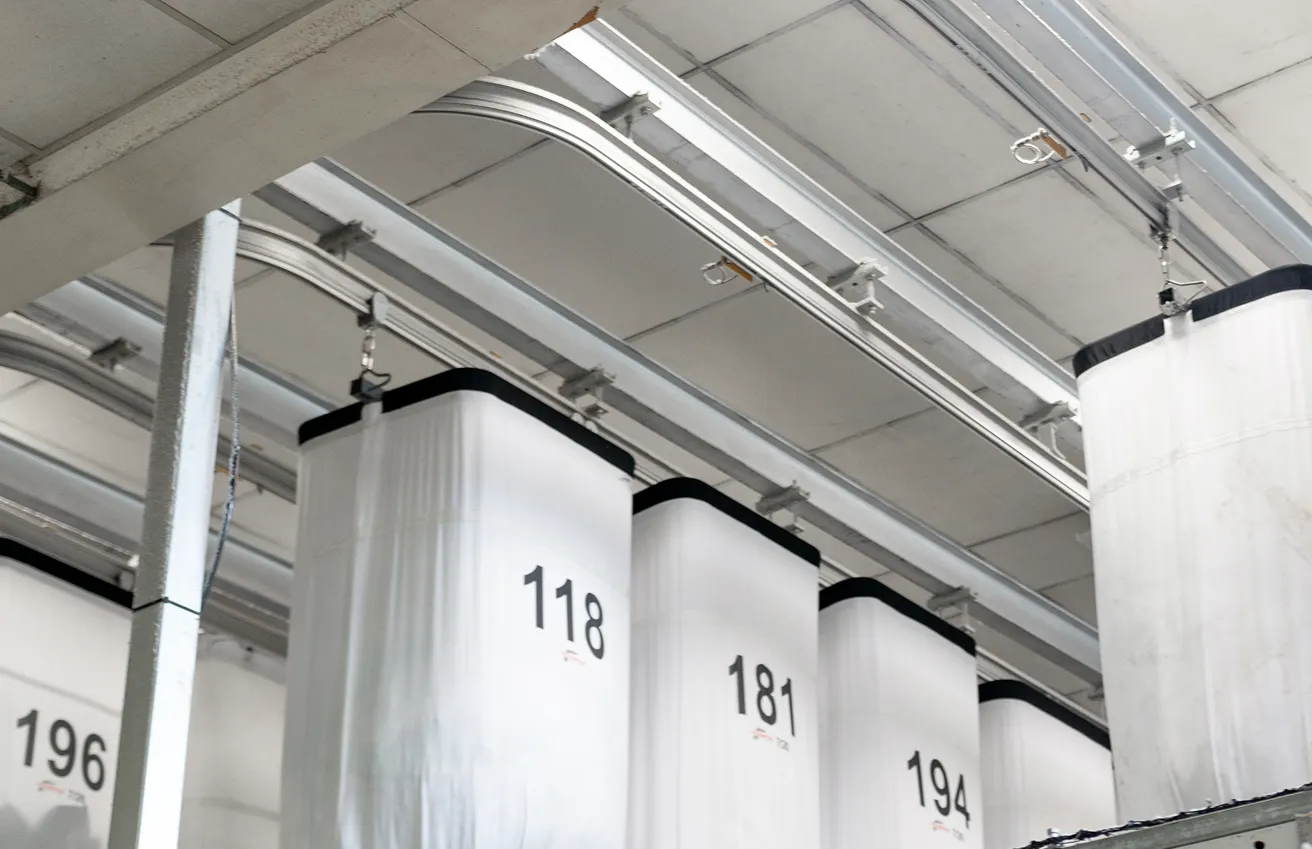
Soiled and clean textiles are kept separated through controlled handling, processing, storage and transport workflows. This helps minimise cross-contamination and protect processed items through to delivery.
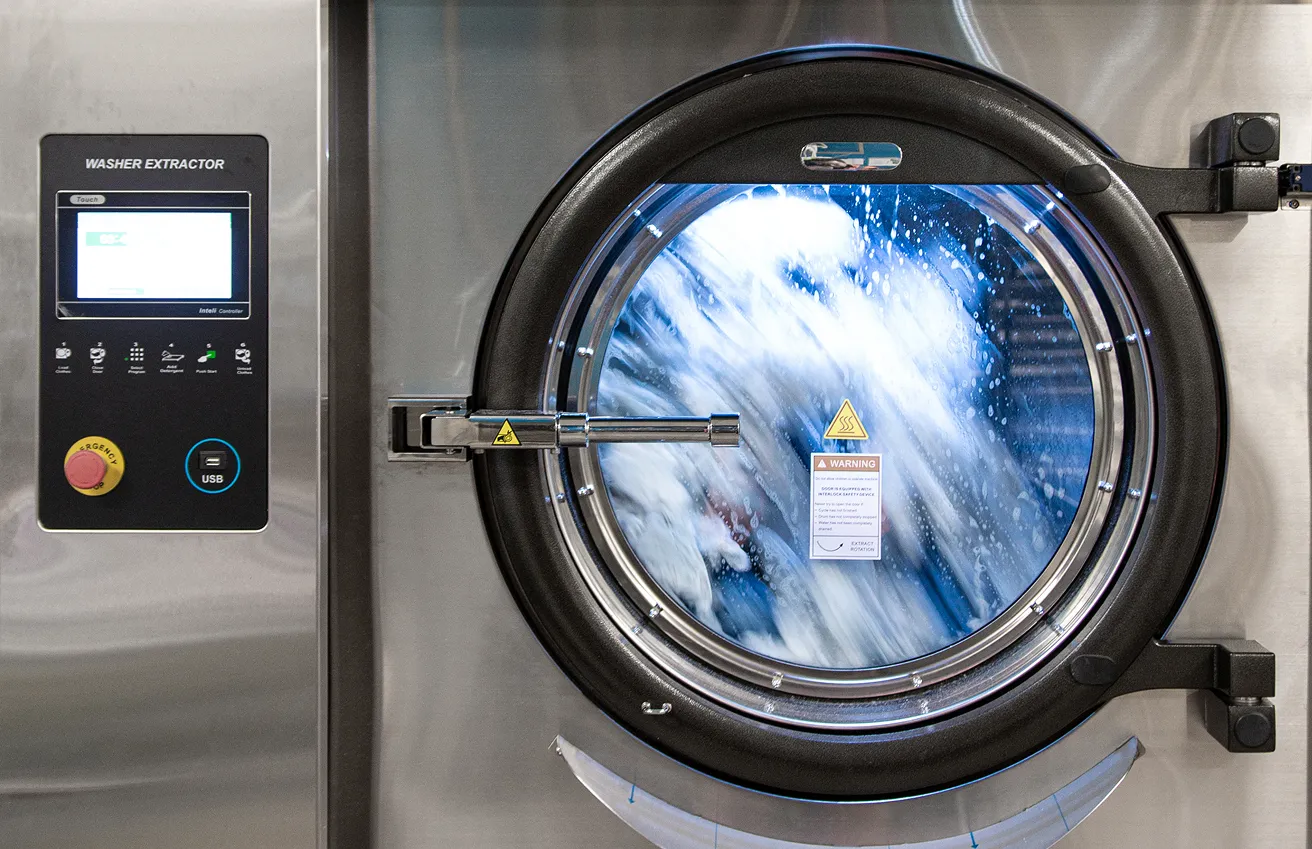
Regular microbiological testing monitors the effectiveness of laundering and hygiene controls. Results help identify exceptions and inform corrective action where required.
Textiles are assessed for strength, absorbency, barrier performance and signs of degradation where relevant. This helps identify items that may no longer be suitable for their intended use.
RFID technology helps monitor reusable healthcare textiles through processing by recording wash counts and supporting product identification. This provides greater visibility into each item’s lifecycle, helping teams identify products approaching their approved use limits and make informed inspection, replacement and stock-management decisions.
Built around the way you operate.
Taylors aligns product requirements, service levels, collection and delivery, segregation, reporting and escalation processes with each customer’s operating environment. The result is a quality plan designed around your service scope and the risks that matter to your business.
Accreditation and quality FAQs
Taylors demonstrates compliance through independent certification, external audits, documented quality management systems, operational controls, staff training, hygiene monitoring, performance reporting, and continuous improvement programs.
Certification helps reduce risk by ensuring processes are documented, monitored, audited, and continually improved. It provides an additional level of assurance around hygiene, quality, operational consistency, and compliance performance.
Accommodation and hospitality environments place significant emphasis on presentation, guest experience, linen quality, durability, and service consistency. Healthcare environments typically require additional infection prevention and hygiene controls due to the higher-risk nature of patient care settings.
Healthcare and aged care environments typically require additional controls relating to infection prevention, linen management, quality assurance, and laundering practices. These requirements are governed by industry standards and clinical risk-management frameworks.
No. While the principles of quality, hygiene, safety, and compliance are consistent, specific standards and requirements vary between healthcare, aged care, accommodation, hospitality, food processing, and industrial sectors. Each industry has unique operational, regulatory, and risk-management requirements.
Taylors maintains strict separation of soiled and clean textiles throughout collection, transport, processing, storage, and delivery. Facility design, staff practices, workflow controls, and documented procedures are all used to minimise contamination risks.
Linen and Garments are inspected throughout processing for stains, damage, excessive wear, cleanliness, and presentation standards. Items that do not meet quality requirements may be reprocessed, repaired, downgraded, or removed from circulation.
Certification audits are conducted by independent third-party auditors and certification bodies. These organisations assess Taylors & Ensign's systems, processes, documentation, and operational controls against the relevant standards and certification requirements.
Certified linen processing provides assurance that linen and garments are being managed through independently assessed systems designed to deliver consistent quality, hygiene, safety, and compliance outcomes. This helps protect customers, employees, residents, guests, and patients.
Yes. Wash programs and laundering outcomes are independently assessed and verified through testing and audit processes to demonstrate that hygiene and quality requirements are being achieved.
Taylors applies a range of controls including segregation of soiled and clean linen, validated wash processes, hygiene monitoring, quality inspections, documented procedures, staff training, and regular auditing to support infection prevention and product quality.
Taylors uses documented processing procedures, validated wash programs, staff training, quality controls, and regular monitoring to maintain consistent hygiene outcomes. Critical process measures are routinely reviewed to support compliance and service reliability.
Yes. While accommodation and hospitality businesses are subject to different standards than healthcare providers, many customers value the additional discipline that comes from healthcare processing practices. Applying robust hygiene controls, validated wash programs, quality monitoring, and strict operational procedures can help deliver higher levels of linen hygiene, consistency, quality, and risk management across accommodation and hospitality environments.
Yes. Taylors can tailor products, processing methods, reporting and quality controls to support the requirements of healthcare, aged care, accommodation, hospitality, food processing and industrial customers.
Taylors & Ensign facilities undergo internal and external audits to assess compliance with applicable standards, operational procedures, quality management systems, and hygiene controls. This ongoing review process supports continuous improvement and accountability.
Certification provides confidence that your linen is being processed through documented, independently assessed systems designed to support quality, hygiene, safety, consistency, and compliance. It helps reduce operational risk and supports your organisation's own quality and governance requirements in addition to supporting your own certification equirements.
Ready for what's next?
Talk to our team about your requirements. We'll take the time to understand your operation and design a service that fits your needs.