Textile recycling and reuse: giving end-of-life linen a second life
October 13, 2026
Textile recycling and reuse: giving end-of-life linen a second life
Commercial linen eventually reaches a point where it is no longer suitable for its original purpose. Wear, staining or damage may prevent an item from returning to regular service, but that does not necessarily mean it has reached the end of its useful life.
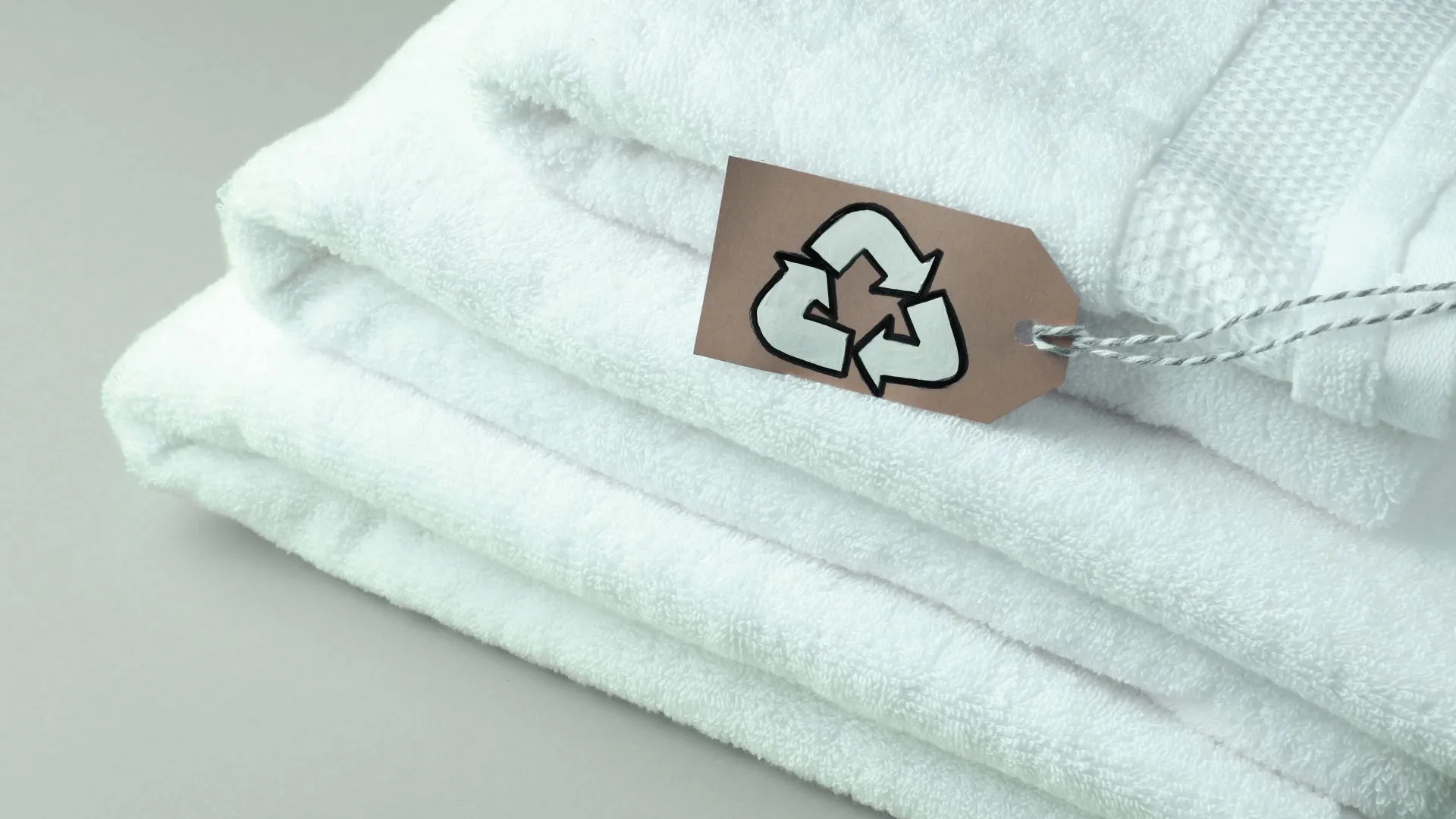
Textile recycling is one possible pathway for these materials. Where linen remains suitable for another application, reuse and repurposing can extend its life before recycling or disposal needs to be considered.
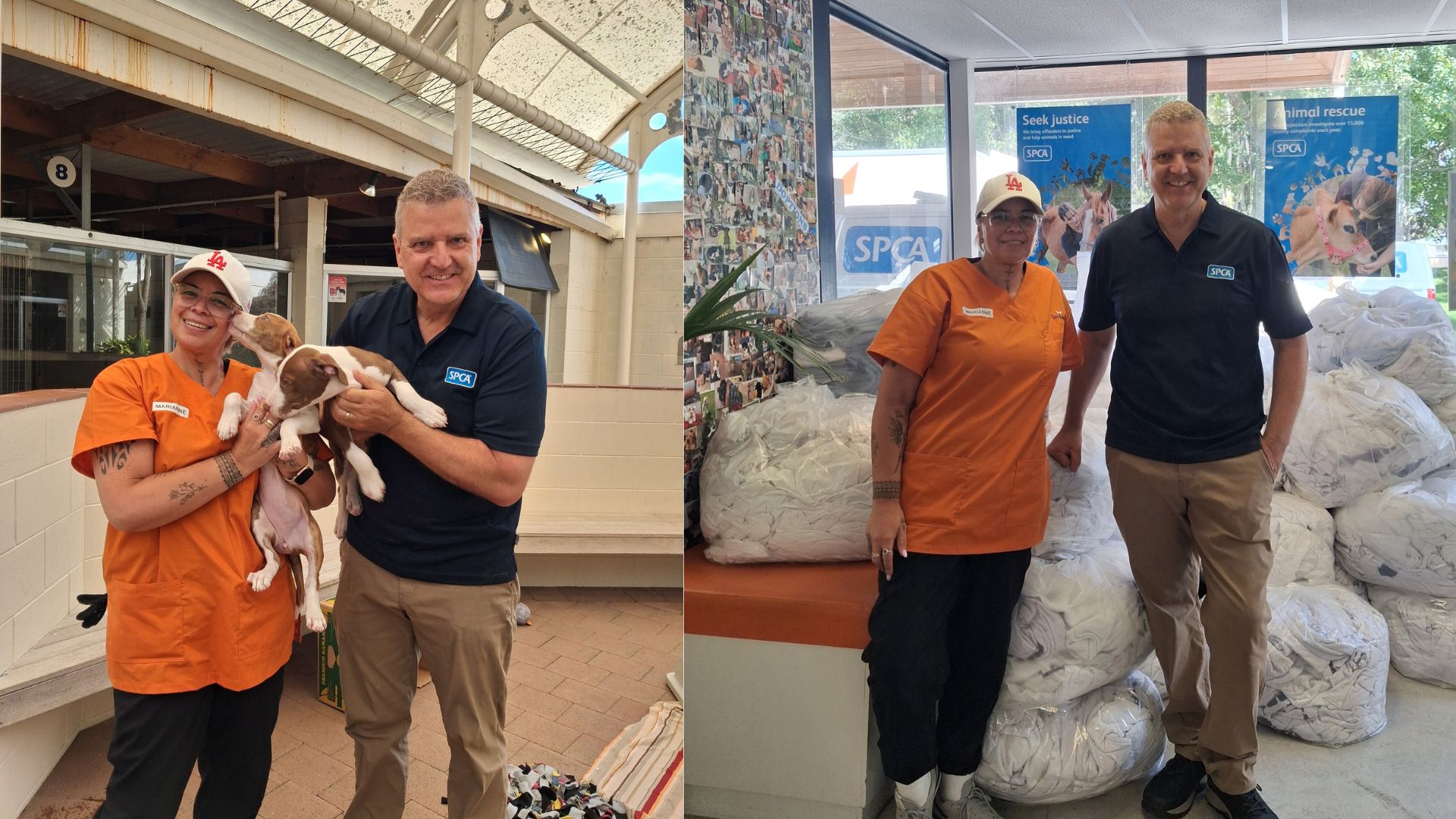
At Taylors, we are finding practical opportunities to keep suitable end-of-life linen in circulation for longer. By providing these materials to local charitable and community organisations, linen that may otherwise be discarded can support animal care, cleaning and everyday operations.
What is textile recycling?
Textile recycling is the process of recovering used or unwanted textiles and converting them into fibres, materials or new products.
Commercial textile recycling may involve linen, garments, uniforms, towels and other products that can no longer perform their original function. The available recycling pathway depends on factors including:
- Fibre composition
- Product construction
- Condition
- Contamination
- Available recycling technology
- Requirements of the receiving recycler
Not every textile can currently be recycled through the same process. Products may need to be separated by fibre type or have fasteners, labels and other components removed before processing.
What is the difference between textile reuse and recycling?
Textile reuse and textile recycling are different stages within the product lifecycle.
Textile reuse means using an item again in its existing form, either for its original purpose or for a suitable secondary application.
Textile recycling involves processing the material so it can be converted into fibre or used to manufacture another product.
Where linen remains safe and suitable for another purpose, reuse may extend its life without requiring immediate reprocessing. Recycling may then become an option when the material can no longer be practically reused.
What happens to end-of-life commercial linen?
End-of-life linen is linen that no longer meets the quality, performance or presentation requirements of its original commercial use.
Depending on its condition, an item may be:
- Rewashed and returned to service
- Repaired where practical
- Reassigned to another appropriate application
- Repurposed into cleaning materials
- Donated to an approved charitable or community organisation
- Directed to a suitable textile recycling program
- Responsibly disposed of when no viable alternative is available
The appropriate pathway depends on the condition of the linen, its previous use and whether it remains safe for its proposed secondary purpose.
Supporting New Zealand community organisations
Over the past year, Taylors has provided suitable end-of-life linen to several organisations across New Zealand, including:
- Hamilton City Council Animal Education and Control
- SPCA centres in Māngere and Hobsonville
- Blind Low Vision NZ
These organisations have found practical ways to use the donated linen within their kennels, animal-care facilities and day-to-day operations.
How donated linen is reused
The requirements of each organisation differ, but donated linen can support several practical activities.
Animal bedding and comfort
Sheets, towels and other suitable textiles can provide bedding and additional comfort for animals in kennels and care facilities.
Cleaning and maintenance
Linen that is no longer appropriate for its original application may still be suitable for cleaning and maintenance activities.
General operational support
Depending on its type and condition, donated linen may be used for other everyday requirements within community facilities.
Finding a suitable secondary purpose helps keep materials in circulation for longer while providing recipient organisations with useful supplies.
What our community partners say
The organisations receiving the linen have shared how the donations support their teams and the animals in their care.
“Your end-of-use linen will be very handy in our kennels. We love taking it off your hands and into our paws!”
Blind Low Vision NZ
“We appreciate the generosity of your organisation in donating end-of-life linen to us. It goes a long way in helping us care for the animals in our community and support our day-to-day operations.”
SPCA Auckland
The Hobsonville team also expressed its appreciation for the donated linen and the practical support it provided.
“A huge thank you. The team is currently sorting through the linen, and the feedback is that we are able to make good use of everything that was donated. We are incredibly grateful for the donation.”
Hamilton City Council Animal Education and Control
How can businesses reduce textile waste?
Reducing textile waste begins well before a product reaches the end of its life. Linen should be managed across its complete lifecycle, from selection and supply through to laundering, inspection, stock control, reuse and recycling.
Businesses can help reduce textile waste by:
- Selecting products suited to their intended commercial use
- Following appropriate laundering and handling processes
- Inspecting products regularly for wear and damage
- Repairing items where practical and appropriate
- Maintaining stock levels that reflect actual demand
- Improving collection and segregation processes
- Reducing avoidable linen loss
- Identifying suitable reuse and textile recycling pathways
A coordinated approach can help products remain in service for longer and reduce unnecessary replacement.
Product selection and laundering matter
Fit-for-purpose products are more likely to withstand the demands of repeated use and commercial laundering.
Product selection should consider comfort, presentation, durability, hygiene requirements and whole-of-life performance. A product that is not suited to its operating environment may deteriorate more quickly and create avoidable waste.
Controlled laundering also plays an important role. Wash programs should account for fabric composition, soil levels and the hygiene requirements of the intended application. Regular inspection can identify staining, damage and wear before products are returned to service.
Stock management can help prevent unnecessary waste
Excess inventory can contribute to textile waste when products remain unused in cupboards or storerooms for extended periods. Linen may become creased, contaminated, misplaced or obsolete before delivering its full value.
Insufficient stock can also shorten product life by increasing the frequency with which each item is used and processed.
Appropriate stock levels should reflect:
- Occupancy or workforce numbers
- Actual product usage
- Collection and delivery frequency
- Processing and transport time
- Seasonal demand
- Storage capacity
- Operational contingency requirements
Regular stocktakes and reporting can help identify excess holdings, shortages, unusual usage and avoidable linen loss.
Learn more about Taylors’ linen and laundry management services.
Why textile reuse and recycling matter
Keeping textiles in circulation for longer can provide environmental, operational and community benefits.
A considered approach can help:
- Extend the useful life of existing materials
- Reduce the volume of textiles sent to landfill
- Avoid unnecessary replacement purchases
- Support community and animal-care organisations
- Improve visibility across the linen lifecycle
- Encourage greater consideration of reuse and recycling opportunities
The best outcome depends on the condition and composition of each product. Reuse should only occur where the item remains safe and appropriate, while recycling requires a suitable processor and an accepted material stream.
How Taylors manages the linen lifecycle
Taylors provides coordinated linen supply, collection, laundering, delivery, stock management and reporting for organisations across New Zealand.
Through professional laundering, regular inspection and ongoing inventory management, we help customers keep linen working for longer and make more informed decisions about product replacement.
When products leave their original service, available options may include reuse, repurposing, donation, textile recycling or responsible disposal. The appropriate pathway is determined by the condition, composition and previous use of the product.
Read more about sustainability at Taylors.
Frequently asked questions
Can commercial linen be recycled?
Some commercial linen can be recycled, but the available pathway depends on its fibre composition, construction, condition and contamination risk. Requirements also vary between textile recycling providers.
Can old linen be donated?
Suitable end-of-life linen may be donated where it remains safe and useful for another purpose. The receiving organisation should confirm the products it can accept and how they will be used.
Is linen reuse the same as linen recycling?
No. Reuse keeps an item in its existing form and gives it another application. Recycling processes the textile into fibre, raw material or another product.
Why can’t all linen be recycled?
Commercial linen can contain mixed fibres, coatings, fasteners, labels or contaminants that make recycling more difficult. Textile recycling capabilities and accepted materials also vary between providers and locations.
How can a managed linen service reduce textile waste?
A managed service can improve visibility into stock, usage, loss, damage and replacement. Better information helps organisations maintain appropriate inventory levels, identify avoidable waste and keep products in service for longer.
Keeping useful textiles in circulation
Textile recycling is an important part of managing end-of-life materials, but it is not the only option.
Where linen remains suitable for another application, reuse and repurposing can keep it in circulation for longer while providing practical support to community organisations. When reuse is no longer appropriate, recycling may offer another pathway for recovering value from the material.
By considering the complete textile lifecycle, businesses can reduce avoidable waste, improve inventory decisions and take a more responsible approach to the products they use.
To discuss linen and laundry management for your organisation, contact the Taylors team.